
Cathedral Window Quilt Pattern PDF: A Comprehensive Guide
Embark on a captivating quilting journey with the Cathedral Window design, readily accessible through numerous PDF patterns! This guide unveils the beauty and simplicity of this cherished pattern, offering resources for all skill levels.
What is a Cathedral Window Quilt?
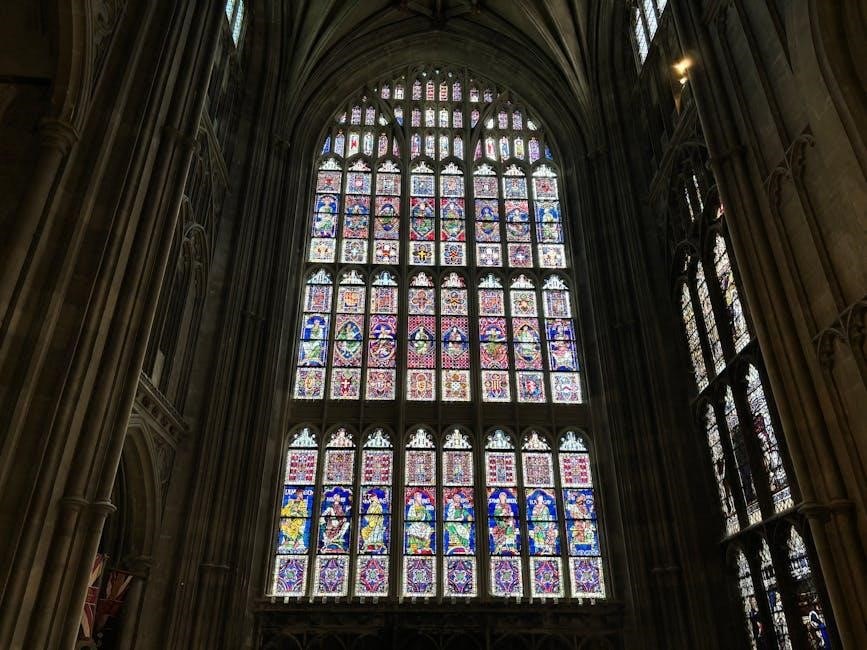
A Cathedral Window Quilt is a stunning quilting technique that creates the illusion of intricate stained glass, reminiscent of the magnificent windows found in cathedrals. This classic pattern, gaining popularity in the 1930s, features diamond and square units meticulously arranged to form a layered, three-dimensional effect.
The unique construction involves folding and layering fabric, creating “windows” that reveal contrasting colors and textures beneath. Unlike traditional patchwork, the Cathedral Window technique doesn’t rely on piecing together numerous small fabric shapes. Instead, it focuses on strategic folding and stitching, making it surprisingly accessible even for beginner quilters.
Many quilters choose to utilize readily available PDF patterns to guide them through the process, offering detailed instructions and diagrams. These patterns simplify the construction, allowing crafters to easily replicate the beautiful, timeless aesthetic of a cathedral window.
History and Origins of the Pattern
The Cathedral Window quilt pattern’s origins trace back to the 1930s, a period marked by resourceful quilting and a fascination with architectural designs. Inspired by the breathtaking stained glass windows of churches and cathedrals, quilters sought to recreate that beauty using fabric and thread. This era saw a surge in intricate quilting techniques, and the Cathedral Window quickly became a beloved design.
While the exact originator remains unknown, the pattern’s popularity blossomed during the Great Depression, as quilters utilized scraps and remnants to create stunning, yet economical, bed coverings. The technique offered a unique visual depth without requiring extensive fabric consumption.
Today, the Cathedral Window quilt continues to captivate quilters, with numerous PDF patterns available to preserve and share this historical craft. These patterns ensure the legacy of this beautiful design endures for generations to come.
The Appeal of the Cathedral Window Design
The enduring allure of the Cathedral Window quilt lies in its remarkable ability to mimic the intricate beauty of stained glass; The design creates a stunning three-dimensional effect, achieved through clever layering and precise stitching, offering a visually captivating texture. Many quilters are drawn to the challenge and satisfaction of mastering this technique.
The pattern’s versatility is another key factor in its popularity. It lends itself well to a wide range of fabric combinations, from vibrant prints to sophisticated solids, allowing for endless creative expression. PDF patterns readily available online further enhance this flexibility.

Furthermore, the Cathedral Window quilt evokes a sense of nostalgia and timeless elegance, connecting quilters to a rich quilting heritage. It’s a design that feels both classic and contemporary, making it a cherished heirloom piece.
Materials Needed for a Cathedral Window Quilt
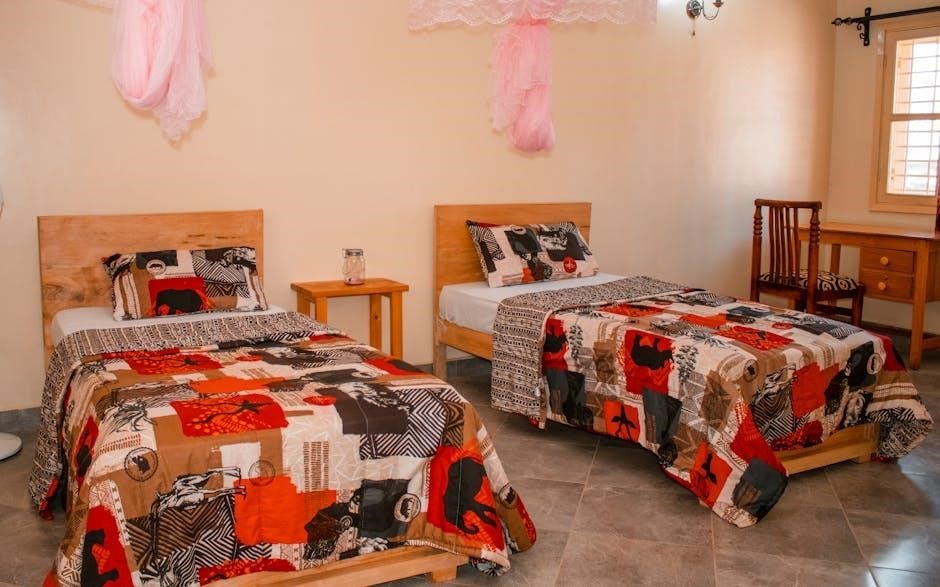
Success with this pattern requires quality fabrics, interfacing, batting, a rotary cutter, mat, and ruler – all easily sourced to begin your PDF project!
Fabric Choices: Prints and Solids
Selecting fabrics is a crucial step in bringing your Cathedral Window Quilt to life! The beauty of this pattern lies in its versatility, allowing for stunning effects with both prints and solids. Consider using contrasting colors to emphasize the “window” effect – lighter fabrics for the diamonds and darker shades for the surrounding squares often work wonderfully.

Prints can add a touch of whimsy and personality, but be mindful of scale. Smaller, intricate prints tend to showcase the geometric design better than large, bold patterns. Solids, on the other hand, provide a clean and sophisticated look, allowing the construction technique to truly shine. Don’t be afraid to experiment with different fabric combinations!
For a classic stained-glass appearance, explore jewel-toned solids or subtle textured fabrics. PDF patterns often suggest fabric requirements, but feel free to adjust based on your preferences and the desired size of your quilt. Remember to pre-wash your fabrics to prevent shrinkage and ensure colorfastness before beginning your project.
Essential Tools: Rotary Cutter, Mat, Ruler
Precision is paramount when crafting a Cathedral Window Quilt, making specific tools indispensable for success. A rotary cutter, self-healing cutting mat, and quilting ruler form the foundation of accurate fabric preparation. The rotary cutter allows for clean, swift cuts, while the mat protects your work surface and extends the life of your blade.
A clear acrylic quilting ruler, preferably with both 45 and 60-degree markings, is vital for precisely cutting the diamonds and squares that define this pattern. Investing in a quality ruler ensures accurate measurements and consistent shapes. Beyond these core tools, a seam ripper is a quilter’s best friend for correcting any minor mishaps.
Many PDF patterns will specify the size of ruler needed, but a 6” x 24” ruler is a versatile choice for most projects. Don’t forget pins, a sewing machine, and thread! Having the right tools readily available will streamline the process and enhance your quilting experience.
Interfacing and Batting Considerations
Selecting the appropriate interfacing and batting is crucial for achieving the desired structure and drape in your Cathedral Window Quilt. Lightweight fusible interfacing adds stability to the fabric pieces, preventing stretching and ensuring crisp, defined “windows.” Choose an interfacing compatible with your chosen fabrics, testing a small sample first.
For batting, consider the quilt’s intended use. A thinner batting, like cotton or polyester, is ideal for wall hangings or table runners, providing a flatter profile. Thicker batting, such as wool or a cotton blend, offers warmth and loft for larger quilts. The PDF pattern may suggest a specific loft.
Remember that the batting’s thickness impacts the overall appearance of the quilt. Experimenting with different options allows you to customize the final result. Pre-washing both interfacing and batting before use minimizes shrinkage and ensures a harmonious finish.
Understanding the Basic Construction Technique
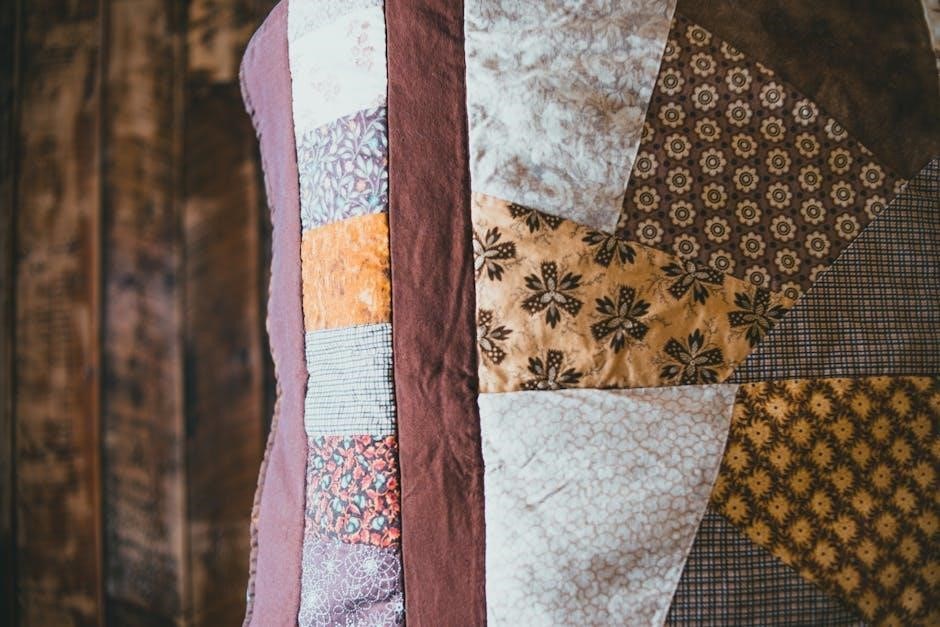
Mastering the core technique involves creating diamond and square units, then strategically layering and stitching them to reveal the stunning “window” effect within your quilt.
The Diamond and Square Unit
The foundational element of the Cathedral Window quilt is the meticulously crafted diamond and square unit. This unit isn’t a single piece, but rather a clever construction involving folding and layering fabric to create the illusion of depth and transparency. Begin by cutting both patterned and solid fabrics into appropriate diamond shapes – precise cutting is paramount for a polished final result.
Next, carefully fold the fabric, concealing raw edges to create a neat, finished look. The folded edge of the diamond is then positioned over the patterned fabric, secured with small, nearly invisible stitches. This process forms a pocket underneath the diamond, which is key to achieving the signature Cathedral Window appearance.
Repeat this process consistently, building up the design unit by unit. These individual units are then joined together, gradually expanding the quilt’s size and revealing the intricate windowpane effect. Remember, patience and accuracy are your allies in mastering this fundamental building block!
Creating the “Window” Effect
The mesmerizing “window” effect in a Cathedral Window quilt isn’t achieved through complex techniques, but rather through strategic fabric placement and the clever use of layering. The pocket created beneath each diamond unit is crucial; it’s this space that gives the illusion of depth, mimicking the leaded glass of a cathedral window.
As you stitch each diamond onto the base fabric, the underlying color peeks through, creating a stained-glass appearance. The contrast between the patterned and solid fabrics further enhances this effect, defining the “panes” of the window. Consistent stitch length and tension are vital for maintaining a uniform look across the entire quilt.
By carefully arranging the diamond and square units, you can build a visually stunning design that captures the beauty and serenity of a traditional cathedral window. It’s a surprisingly simple technique that yields remarkably intricate results!
Importance of Accurate Cutting
Precision is paramount when embarking on a Cathedral Window quilt project; accurate cutting is absolutely essential for achieving a polished and professional finish. Even slight inaccuracies in the diamond and square units can accumulate, leading to distorted “windows” and mismatched seams. A rotary cutter, quilting mat, and a reliable ruler are your best friends in this endeavor.
Consistent fabric squares and diamonds ensure that the layering and stitching process flows smoothly. Take your time, double-check measurements, and consider using a pattern with clear, precise cutting instructions. Remember, a well-cut piece of fabric is the foundation of a beautiful quilt block.
Investing in accurate cutting upfront will save you frustration and potential rework later on, ultimately resulting in a stunning Cathedral Window quilt you’ll be proud to display.

Finding Cathedral Window Quilt Patterns (PDF)
Discover a wealth of Cathedral Window quilt patterns in PDF format, ranging from free online resources to detailed, paid designs from talented quilt artisans!
Free PDF Patterns Available Online
Numerous websites generously offer free Cathedral Window quilt patterns in PDF format, making this beautiful technique accessible to everyone. These patterns are an excellent starting point for beginners eager to learn the basics without a financial commitment; Many quilting blogs and online communities host downloadable patterns, often accompanied by helpful tutorials and tips from experienced quilters.
Searching platforms like Pinterest and Google will reveal a treasure trove of free resources. Be sure to carefully review the pattern instructions and skill level before beginning your project. While free patterns may lack the extensive detail found in paid versions, they provide a fantastic opportunity to experiment with the Cathedral Window design and build your quilting confidence. Remember to respect the creator’s copyright and terms of use when utilizing these free resources. Explore various designs and find one that sparks your creativity!
Paid Pattern Resources and Designers
For quilters seeking more detailed instructions, intricate designs, and comprehensive support, investing in paid Cathedral Window quilt patterns is a worthwhile consideration. Several talented designers specialize in this technique, offering PDF patterns with varying levels of complexity and unique interpretations. These patterns often include precise cutting diagrams, step-by-step photographs, and helpful quilting suggestions.
Etsy is a fantastic marketplace to discover independent pattern designers offering a wide array of Cathedral Window quilt patterns. Websites dedicated to quilting, such as Missouri Star Quilt Company, also feature premium PDF patterns created by renowned designers. Paid patterns generally provide a more polished and thoroughly tested experience, ensuring a smoother quilting process and a stunning final result. Consider the designer’s reputation and pattern reviews before making a purchase to ensure it aligns with your skill level and preferences.
Missouri Star Quilt Company Tutorials
Missouri Star Quilt Company stands out as an exceptional resource for learning the Cathedral Window quilt pattern, offering a wealth of free video tutorials and helpful guides. Their approachable and detailed instructions break down the technique into manageable steps, making it accessible for quilters of all experience levels. These tutorials visually demonstrate the entire process, from cutting the fabric to assembling the intricate “window” effect.
The company’s website and YouTube channel host numerous videos specifically dedicated to Cathedral Window quilts, covering various sizes and design variations. They often showcase different fabric combinations and offer tips for achieving precise results. Missouri Star’s commitment to clear instruction and quality content makes them a go-to destination for anyone eager to master this beautiful and classic quilt pattern, often providing PDF supplemental materials alongside their videos.
Step-by-Step Construction Guide
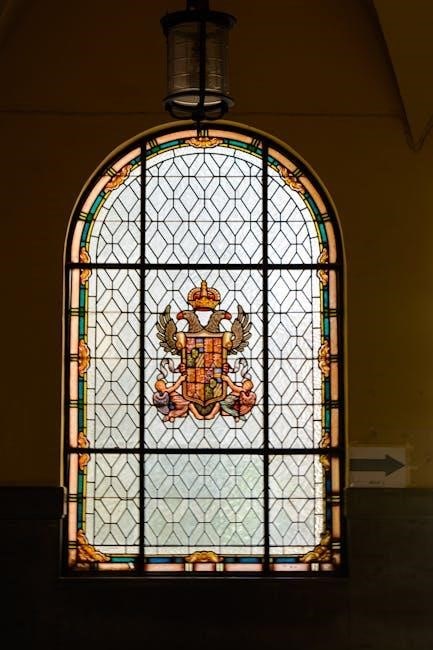
Begin by precisely cutting fabric pieces, then assemble diamond and square units, layering and stitching them together to reveal the stunning Cathedral Window effect!
Cutting the Fabric Pieces
Precise cutting is paramount for a successful Cathedral Window Quilt. Your PDF pattern will dictate the specific dimensions for both the diamond and square units, so carefully review these measurements before beginning. Utilizing a rotary cutter, mat, and ruler ensures accuracy – essential for the “window” effect.
Typically, you’ll need to cut both patterned and solid fabrics. The pattern often calls for squares and diamonds of identical size. Pay close attention to grain direction; consistent cutting along the grain prevents stretching and distortion during the quilting process. Many patterns suggest cutting extra fabric for potential errors or adjustments.
Consider labeling your cut pieces to maintain organization, especially when working with multiple fabrics. A well-organized cutting process streamlines assembly and minimizes frustration. Double-check your measurements against the PDF instructions before making the final cuts, guaranteeing a harmonious and visually appealing finished quilt;
Assembling the Diamond and Square Units
Begin assembling your Cathedral Window Quilt by carefully positioning the diamond onto the patterned fabric square. The PDF pattern will illustrate the precise placement – typically centered. Fold the edges of the diamond over the square, concealing the raw edges, and creating a neat, enclosed finish.
This is where an invisible stitch becomes crucial; aim for stitches that blend seamlessly with the fabric. The goal is to form a pocket underneath the diamond, which contributes to the signature “window” appearance. Pinning the folded edges in place before stitching aids in precision.
Repeat this process for all diamond and square pairings. Consistent stitching and careful folding are key to achieving a uniform look. As you assemble, periodically check the alignment and shape of the units against your PDF pattern to ensure accuracy throughout the construction phase.
Layering and Stitching the Units Together
Once you’ve assembled individual diamond and square units, the next step involves layering them to build the Cathedral Window effect. Refer to your PDF pattern for the specific layout – typically arranged in rows and columns. Carefully position the units, ensuring consistent spacing and alignment.
Pin the units together securely before stitching. A ¼ inch seam allowance is generally recommended, but always confirm with your pattern. Stitch along the edges, joining the units to form rows, and then joining the rows to create larger blocks.
Press the seams open or to one side, depending on your preference and the pattern instructions. Consistent pressing is vital for a flat, professional finish. Continue layering and stitching until your quilt reaches the desired size, referencing the PDF for guidance.

Advanced Techniques and Variations
Elevate your Cathedral Window quilt with diverse fabrics, borders, sashing, and stitching styles – explore creative PDF pattern adaptations for unique designs!
Using Different Fabric Combinations
The beauty of the Cathedral Window quilt pattern truly shines when experimenting with fabric combinations. While traditional designs often feature contrasting prints and solids to emphasize the “window” effect, modern quilters are pushing boundaries. Consider using a monochromatic palette with varying textures – think linen, cotton, and even velvet – for a subtle, sophisticated look.
Alternatively, explore bold color palettes with vibrant jewel tones or pastel shades. Scrappy quilts, utilizing a wide range of fabrics, can create a charming, eclectic aesthetic. Don’t be afraid to mix scales of prints, pairing large florals with delicate geometrics. Many PDF patterns offer suggestions for fabric pairings, but the possibilities are endless!
Remember that the fabric choice impacts the overall mood of the quilt. Lighter fabrics create an airy, delicate feel, while darker fabrics lend a sense of drama and richness. Utilizing PDF patterns as a starting point, personalize your quilt with fabrics that reflect your unique style and preferences.
Adding Borders and Sashing
Enhance your Cathedral Window quilt with borders and sashing to frame the intricate design and customize its size. Sashing, the fabric strips between the blocks, provides visual breathing room and can highlight the “window” effect. Consider using a neutral sashing to let the blocks shine, or a contrasting color for a bolder statement.
Borders offer a finishing touch, adding dimension and allowing you to further personalize the quilt. A simple border can create a clean, classic look, while a more elaborate border – perhaps incorporating piecing or appliqué – can elevate the design. Many Cathedral Window quilt PDF patterns include border options, but feel free to design your own!
When choosing border and sashing fabrics, consider the overall color scheme and style of your quilt. Remember to accurately measure and cut the fabric to ensure a professional finish. PDF patterns often provide detailed instructions for adding borders and sashing, simplifying the process.
Exploring Alternative Stitching Methods
Beyond the traditional hand-stitching, explore alternative methods to construct your Cathedral Window quilt. While hand-stitching offers an invisible finish, machine stitching can significantly speed up the process, particularly for larger quilts. A narrow zigzag stitch closely mimics hand-stitching and secures the layers effectively.
Consider decorative machine stitches to add a unique touch. A simple straight stitch can also work well, especially if you prefer a more modern aesthetic. Experiment with different thread colors to create subtle or bold contrasts. Many Cathedral Window quilt PDF patterns focus on hand-stitching, but adapting them for machine work is often feasible.
For a quicker finish, investigate using fusible web to temporarily adhere the diamond layers before stitching. This helps maintain alignment and simplifies the process. Remember to test your chosen method on scrap fabric first to ensure desired results.
Resources for Further Learning
Dive deeper into Cathedral Window quilts with online communities, YouTube tutorials, and dedicated courses, enhancing your skills and pattern mastery!
Online Quilt Communities and Forums
Engage with fellow quilting enthusiasts through vibrant online communities and forums dedicated to the Cathedral Window quilt pattern! These platforms offer a wealth of knowledge, inspiration, and support for quilters of all levels. Share your progress, ask questions, and receive valuable feedback on your projects.
Popular forums often feature dedicated threads specifically for the Cathedral Window technique, where members exchange tips, troubleshoot challenges, and showcase their stunning creations. You’ll find discussions on fabric choices, interfacing options, and innovative variations of the classic pattern.
Many online groups host virtual quilt-alongs, providing a structured learning experience and fostering a sense of camaraderie. These collaborative events are an excellent way to learn from experienced quilters and stay motivated throughout your project. Don’t hesitate to join these spaces – they are invaluable resources for expanding your quilting expertise and connecting with a passionate community!
Video Tutorials on YouTube
Unlock the secrets of the Cathedral Window quilt pattern with a treasure trove of video tutorials available on YouTube! These visual guides provide step-by-step demonstrations, making the technique accessible to quilters of all skill levels. Missouri Star Quilt Company, a prominent resource, offers comprehensive tutorials breaking down the process into manageable steps.
Search for “Cathedral Window Quilt Tutorial” to discover a wide range of videos, from beginner-friendly introductions to advanced techniques and variations. Many tutorials showcase different methods for creating the signature “window” effect, allowing you to choose the approach that best suits your preferences.
Benefit from close-up views of fabric handling, stitching techniques, and pressing methods. Pause, rewind, and rewatch sections as needed to ensure a thorough understanding. YouTube’s visual format is an invaluable asset for mastering this beautiful and intricate quilt pattern, offering a dynamic learning experience!
Cathedral Window Quilt Courses and Classes
Elevate your quilting skills with dedicated Cathedral Window quilt courses and classes, offering in-depth instruction and personalized guidance. While many resources are freely available, structured learning environments can accelerate your progress and refine your technique. Beginner courses often start with the fundamentals, covering fabric selection, accurate cutting, and the basic construction of diamond and square units.
Explore options ranging from local quilt shops offering workshops to online platforms providing comprehensive courses. These classes frequently delve into advanced techniques, such as intricate fabric combinations, border designs, and alternative stitching methods.
Investing in a course provides opportunities for direct interaction with experienced instructors, allowing you to ask questions and receive tailored feedback. Discover a supportive community of fellow quilters, fostering collaboration and inspiration as you master this stunning quilt pattern!