Month: April 2026

fahrenheit 451 part 1 questions and answers pdf

Fahrenheit 451 Part 1: Questions & Answers ⎯ A Comprehensive Guide

Seeking a Fahrenheit 451 Part 1 study aid? Numerous online resources offer question-and-answer guides, and even downloadable PDF versions, to assist with comprehension.

Part 1 of Ray Bradbury’s Fahrenheit 451 immediately plunges readers into a disturbingly conformist future. This initial section establishes the novel’s core conflict: a society that prioritizes shallow happiness and mindless entertainment over intellectual curiosity and critical thinking. We are introduced to Guy Montag, a fireman whose job isn’t to extinguish fires, but to start them – burning books and the homes that shelter them.

Bradbury masterfully uses vivid imagery and unsettling encounters to portray a world devoid of genuine connection. The opening scene, with Clarisse McClellan’s probing questions, immediately disrupts Montag’s complacent existence; Her simple inquiries about happiness and observation of the natural world serve as a stark contrast to the sterile, technology-saturated environment.

This first part lays the groundwork for the novel’s exploration of censorship, conformity, and the importance of individual thought. The reader witnesses the pervasive influence of technology – particularly the “parlor walls” – and its detrimental effect on human relationships. Resources like study guides and PDF versions of chapter summaries, available online, can aid in understanding the nuances of this foundational section, offering detailed analyses and potential discussion questions.

Character Analysis: Guy Montag

Guy Montag, at the outset of Fahrenheit 451 Part 1, is presented as a seemingly typical citizen of his dystopian society – a dutiful fireman who unquestioningly enforces the book-burning laws. However, beneath this façade of conformity lies a growing sense of emptiness and discontent. He initially appears emotionally detached, particularly in his relationship with his wife, Mildred.

Montag’s character is profoundly impacted by his encounters with Clarisse McClellan. Her unconventional perspective and genuine curiosity awaken a dormant part of his mind, forcing him to question the values of his society and his own role within it. This internal conflict marks the beginning of his transformation.

Throughout Part 1, Montag’s actions reveal a subtle rebellion brewing beneath the surface. He secretly pockets books he’s supposed to destroy, hinting at a nascent desire for knowledge and understanding. Analyzing Montag’s internal struggles and motivations is crucial to grasping the novel’s themes. Online resources, including character analyses and PDF study guides, provide deeper insights into his complex personality and evolving worldview, offering valuable perspectives for comprehension.

The Significance of Mildred Montag

Mildred Montag embodies the numbing effects of the dystopian society depicted in Fahrenheit 451. She is utterly absorbed by the “parlor walls” – interactive television screens – and “seashells” – miniature radios in her ears – representing a complete detachment from reality and genuine human connection. Her reliance on these technologies signifies a deliberate avoidance of thought and emotion.

Mildred’s character serves as a stark contrast to Clarisse McClellan, highlighting the dangers of passive entertainment and the suppression of individuality. She represents the majority of the population, willingly embracing superficiality and conformity. Her attempted suicide is a desperate cry for help, yet she struggles to articulate her feelings or understand the source of her unhappiness.

Analyzing Mildred’s behavior reveals the novel’s critique of consumerism and the erosion of meaningful relationships. She is a symbol of societal decay, illustrating the consequences of prioritizing instant gratification over intellectual and emotional fulfillment. Numerous online resources, including detailed character studies and downloadable PDF guides, offer comprehensive analyses of Mildred’s role and significance within the narrative.

Clarisse McClellan: A Catalyst for Change

Clarisse McClellan functions as the primary catalyst for Montag’s intellectual and emotional awakening in the opening sections of Fahrenheit 451. Her unconventional curiosity and genuine interest in the world around her sharply contrast with the apathy and conformity prevalent in Montag’s society. She challenges him to question his beliefs and the nature of his work, prompting a profound internal conflict.

Clarisse’s simple yet profound questions – “Are you happy?” – force Montag to confront his own dissatisfaction and the emptiness of his existence. She embodies a love for nature, independent thought, and meaningful human connection, qualities actively suppressed by the totalitarian regime. Her observations about the world, often dismissed as strange or unsettling, reveal a deeper truth about the human condition.

Through her interactions with Montag, Clarisse ignites a spark of rebellion and a desire for knowledge. She represents hope and the possibility of change in a seemingly hopeless world. Detailed analyses of Clarisse’s character, along with insightful PDF study guides and question-and-answer resources, are readily available online to further explore her pivotal role in the novel’s narrative.

The Role of Firemen in the Novel’s Society

In the dystopian world of Fahrenheit 451, firemen paradoxically embody destruction rather than protection. Their primary function isn’t to extinguish fires, but to ignite them – specifically, to burn books and the homes of those who harbor them. This deliberate inversion of the traditional fireman’s role symbolizes the regime’s suppression of knowledge, independent thought, and intellectual freedom.

The firemen are agents of censorship, enforcing conformity and maintaining societal control through the eradication of literature. They represent the power of the state to manipulate information and dictate what citizens are allowed to know. Captain Beatty, Montag’s superior, embodies the intellectual justification for this destructive practice, presenting arguments for why books are harmful and why happiness lies in ignorance.

Montag’s initial acceptance of his role as a fireman highlights the insidious nature of the regime’s indoctrination. However, his growing disillusionment and eventual rebellion demonstrate the inherent conflict between individual conscience and oppressive authority. Comprehensive PDF study guides and question-and-answer sections delve deeper into the complex symbolism and societal implications of the firemen’s role.

Understanding the “Hearth and the Salamander” Symbolism

The title of Part One, “The Hearth and the Salamander,” is richly symbolic, representing opposing forces within the novel’s society. The hearth traditionally signifies home, warmth, family, and the center of domestic life – all things actively undermined by the regime in Fahrenheit 451. It represents the potential for connection and genuine human experience.

Conversely, the salamander, a mythical creature believed to live in fire, embodies the firemen and their destructive profession. It symbolizes their immunity to the flames they create and their role in purging society of unwanted knowledge. This duality highlights the central conflict between the comfort of conformity and the danger of independent thought.

Bradbury uses these symbols to explore the themes of censorship, alienation, and the search for meaning in a dehumanized world. Montag’s journey involves moving away from the destructive influence of the salamander and towards a rediscovery of the hearth’s values. Detailed analyses, often found in PDF study guides and question-and-answer resources, unpack these layers of symbolism, revealing the novel’s profound commentary on societal control.

The Impact of Technology on Relationships

In Fahrenheit 451 Part One, Bradbury presents a chilling vision of how technology can erode genuine human connection; Mildred Montag’s obsession with her “parlor walls” – interactive television screens – exemplifies this detachment. She prioritizes the superficial relationships offered by these devices over meaningful interaction with her husband, Guy.

The seashell radios, constantly broadcasting noise, further isolate individuals, preventing introspection and fostering a culture of passive consumption. This technological immersion creates a barrier to empathy and understanding, hindering the development of authentic relationships. Montag’s attempts to connect with Mildred are consistently met with indifference, as she remains absorbed in her artificial world.

Bradbury suggests that this reliance on technology leads to emotional numbness and a loss of individuality. Exploring these themes through detailed character analysis, often available in comprehensive PDF study guides and question-and-answer formats, reveals the novel’s prescient critique of modern society’s dependence on technology and its potential consequences for human relationships.

The Nature of Happiness in a Distopian World

Fahrenheit 451 Part One portrays a society that equates happiness with shallow entertainment and the avoidance of uncomfortable truths. The citizens in Bradbury’s dystopian world find solace in mindless television programs and superficial interactions, actively suppressing any thoughts or emotions that might disrupt their manufactured contentment.

Mildred Montag embodies this distorted view of happiness, finding fulfillment in the constant stimulation of her “parlor walls.” Her refusal to engage in meaningful conversation or confront reality highlights the emptiness at the core of this manufactured joy. Clarisse McClellan, in stark contrast, seeks happiness through genuine connection, intellectual curiosity, and an appreciation for the natural world.

Bradbury challenges the reader to question the true meaning of happiness and the dangers of sacrificing intellectual freedom for the sake of comfort. Detailed analyses, often found in PDF study guides and question-and-answer resources, explore the philosophical underpinnings of this theme, revealing a powerful critique of societal values and the pursuit of genuine fulfillment.

Montag’s Initial Discontent and Awakening

Initially, Guy Montag appears to be a model fireman, dutifully burning books and enforcing the societal norms of censorship. However, beneath the surface, a growing discontent simmers. This unease begins subtly, sparked by encounters with Clarisse McClellan, whose inquisitive nature forces Montag to question his own beliefs and the world around him.

Clarisse’s simple questions about happiness and the meaning of life act as a catalyst, disrupting Montag’s previously unquestioned existence. He starts to notice the emptiness in Mildred’s life and the pervasive lack of genuine connection within their society. This burgeoning awareness is further fueled by his observations of book burnings and the disturbing reactions of those whose homes are raided.

PDF study guides and comprehensive question-and-answer materials often delve into the psychological nuances of Montag’s transformation, tracing his journey from complacent enforcer to a man grappling with profound moral and intellectual dilemmas. His initial discontent marks the beginning of a dangerous, yet ultimately liberating, awakening.

Exploring the Theme of Censorship in Part 1

Part 1 of Fahrenheit 451 powerfully establishes censorship as a central theme, not as a forceful suppression, but as a subtle, insidious erosion of thought and individuality. The society depicted doesn’t simply ban books; it actively discourages reading and critical thinking, prioritizing superficial happiness and conformity.

Firemen, ironically, are the enforcers of this censorship, burning books on demand and eliminating any potential for dissenting ideas. This is presented not as a destructive act, but as a public service, maintaining societal “peace” by removing sources of discomfort or challenge. The rationale behind this censorship is rooted in the belief that books cause unhappiness and conflict.

PDF resources dedicated to Fahrenheit 451 often include detailed analyses of the methods and motivations behind the censorship, alongside probing questions designed to encourage readers to consider the dangers of intellectual conformity. Part 1 lays the groundwork for understanding how censorship operates not just through prohibition, but through the manipulation of public opinion and the suppression of curiosity.

The Symbolism of Books and Knowledge

In Fahrenheit 451, books transcend their literal form, becoming potent symbols of knowledge, individuality, and freedom of thought. They represent the collective memory of humanity, containing ideas, stories, and perspectives that challenge the status quo; The act of reading itself is portrayed as a rebellious act, a defiance against a society that prioritizes conformity and instant gratification.

The burning of books isn’t merely destruction of paper and ink; it’s a symbolic annihilation of ideas and the potential for independent thought. This destruction is presented as a necessary evil, maintaining societal “happiness” by eliminating sources of discomfort or dissent. The characters who value books, like Clarisse and Faber, represent a resistance to this enforced ignorance.

PDF study guides and question-and-answer materials often delve into the multifaceted symbolism of books, prompting readers to analyze their significance within the novel’s dystopian context. They explore how knowledge empowers individuals and how its suppression leads to societal stagnation and control. Understanding this symbolism is crucial to grasping the novel’s core message.

Analyzing Montag’s Interactions with Captain Beatty

Captain Beatty is arguably the most complex character in Fahrenheit 451 Part 1, and his interactions with Montag are pivotal. Beatty isn’t a simple villain; he’s a highly intelligent and well-read man who understands the value of books but actively enforces their suppression. He uses literature to manipulate and control Montag, demonstrating a chilling mastery of rhetoric and psychological tactics.

Their conversations are characterized by a power dynamic where Beatty attempts to dismantle Montag’s burgeoning doubts and reinforce the societal norms. He presents arguments for censorship, framing it as a means of maintaining peace and preventing unhappiness. Beatty’s knowledge allows him to anticipate Montag’s questions and counter them with unsettling logic.

PDF resources dedicated to Fahrenheit 451 often focus on dissecting these interactions, providing detailed analyses of Beatty’s motivations and the subtle ways he attempts to control Montag. Examining their dialogues reveals the novel’s exploration of intellectual freedom versus societal control, and the dangers of unchallenged authority.

Key Quotes from Fahrenheit 451 Part 1 & Their Meaning

Part 1 of Fahrenheit 451 is rich with impactful quotes that illuminate the novel’s core themes. One crucial line is Montag’s realization, “It was a pleasure to burn.” This initially represents his unquestioning acceptance of his role, but foreshadows his eventual disillusionment. Clarisse’s question, “Are you happy?” serves as a catalyst for Montag’s self-reflection and discontent.

Beatty’s pronouncements, like “You must not decide that you are right,” exemplify the society’s suppression of independent thought. These quotes, when analyzed, reveal the novel’s critique of conformity and the importance of critical thinking. Understanding their context is vital for a comprehensive interpretation.

Numerous PDF study guides and question-and-answer resources dedicate sections to dissecting these key passages. They provide detailed explanations of the symbolism, historical context, and thematic significance of each quote. Exploring these resources enhances understanding of Bradbury’s masterful use of language and his powerful message about the dangers of censorship and the value of knowledge.

Commonly Asked Questions About Part 1 (FAQ)

What is the central conflict introduced in Part 1? The primary conflict revolves around Montag’s growing dissatisfaction with his life and the oppressive, conformist society he inhabits. This is sparked by his encounters with Clarisse McClellan and his questioning of the fireman’s role.

What is the significance of the hearth and the salamander? These symbols represent the home and the destructive power of fire, respectively, highlighting the duality of the fireman’s profession and the novel’s central themes.

Where can I find detailed analysis and study aids? Many online platforms offer comprehensive PDF guides containing detailed chapter summaries, character analyses, and question-and-answer sections specifically for Fahrenheit 451 Part 1. These resources are invaluable for students and readers seeking a deeper understanding of the text. They often include practice quizzes and essay prompts to test comprehension and encourage critical thinking about Bradbury’s dystopian vision.

Resources for Further Study & PDF Availability

Dive deeper into Fahrenheit 451 with these helpful resources! SparkNotes and CliffNotes offer detailed analyses, character breakdowns, and plot summaries, aiding comprehension of Part 1’s complexities. Numerous academic websites provide scholarly articles exploring the novel’s themes of censorship, conformity, and technology.

Looking for a convenient study guide? Many websites host downloadable PDF versions of study guides specifically tailored to Fahrenheit 451. These often include chapter-by-chapter questions, essay prompts, and vocabulary lists. Be cautious when downloading from unfamiliar sources to ensure file safety.

Explore online forums and discussion boards dedicated to Ray Bradbury’s work. Engaging with other readers can provide fresh perspectives and deepen your understanding. Additionally, consider accessing digital libraries and online book clubs for curated discussions and supplementary materials. Remember to always cite sources appropriately when utilizing external resources for academic purposes.

bad boy zt elite manual

Bad Boy ZT Elite Manual: A Comprehensive Overview (2026)

This comprehensive manual details the 2026 Bad Boy ZT Elite‚ covering operation‚ maintenance‚ troubleshooting‚ and parts information for optimal performance and longevity.

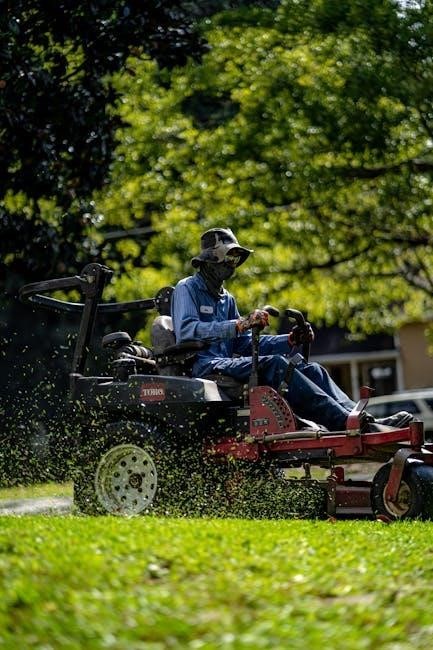
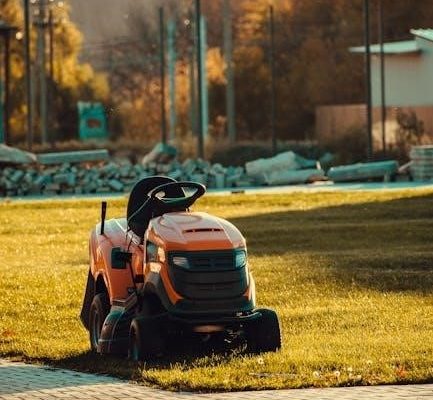
The Bad Boy ZT Elite represents a pinnacle of zero-turn mowing technology‚ designed for both professional landscapers and discerning homeowners. This manual serves as your definitive guide to understanding and maximizing the capabilities of your machine. The ZT Elite series‚ including models from 2018‚ 2019‚ and 2021‚ offers robust performance and exceptional cut quality.

Bad Boy Lawn Mower Parts provides interactive diagrams‚ ensuring easy access to OEM replacement parts for models like the MZ‚ Rambler‚ and ZT Avenger. Whether you’re addressing routine maintenance – such as ZT Hydro Filter Replacement or Oil Change Procedures – or tackling more complex repairs‚ this manual will guide you through each step. Understanding your ZT Elite is key to years of reliable service.

Understanding the ZT Elite Model Range

The Bad Boy ZT Elite isn’t a single machine‚ but a family of zero-turn mowers catering to diverse needs. From the compact designs to wider cutting decks‚ understanding the variations is crucial; The range encompasses models from various years – 2018‚ 2019‚ and 2021 – each with potential specific features and component differences.

Bad Boy offers a comprehensive lineup‚ including the Renegade Outlaw (Diesel & Gasoline)‚ Rogue‚ Rebel‚ Revolt‚ and Maverick‚ alongside the ZT Elite itself. Accessing 2019 Bad Boy Mower Part Lists and Owner Manuals is vital for accurate maintenance. Furthermore‚ selecting the correct 60” ZT Blade – Hi-Lift‚ Fusion‚ Gator‚ or Wave – impacts performance. Resources like Bad Boy Lawn Mower Parts and the Bad Boy Warehouse in Batesville‚ AR‚ are invaluable for identifying your specific model and securing genuine parts.

Safety Precautions & Operational Guidelines

Prioritize safety! Always perform pre-operational checks‚ adhere to best practices during operation‚ and understand emergency stop procedures for safe ZT Elite use.

Pre-Operational Safety Checks

Before each use‚ a thorough inspection is crucial for safe operation. Begin by verifying the oil level and ensuring no leaks are present. Inspect the fuel system for damage or leaks‚ and confirm the air filter is clean. Carefully examine the blades‚ checking for sharpness‚ cracks‚ or bends – replace if necessary.

Next‚ assess the tires for proper inflation and tread wear. Confirm all safety shields and guards are securely in place. Test the functionality of the emergency stop switch. Finally‚ clear the mowing area of any obstacles – rocks‚ debris‚ or people – that could pose a hazard. A pre-op checklist ensures a safe and productive mowing experience with your ZT Elite.

Operating the ZT Elite – Best Practices

For optimal performance and longevity‚ always engage the blades only when the mower is in the desired mowing position. Avoid abrupt turns‚ especially on slopes‚ to prevent scalping or instability. Maintain a consistent ground speed appropriate for the grass conditions – slower for thick grass‚ faster for lighter growth.

Overlap each mowing pass slightly to ensure a clean‚ even cut. Regularly check for debris buildup under the deck and clear as needed. Be mindful of bystanders and maintain a safe operating distance. Proper technique minimizes wear and tear‚ maximizes cutting quality‚ and ensures a safe mowing experience with your Bad Boy ZT Elite.

Emergency Stop Procedures

In any emergency situation‚ the primary safety measure is immediate shutdown. The Bad Boy ZT Elite is equipped with a clearly marked emergency stop (E-Stop) switch‚ typically located within easy reach of the operator. Activating this switch instantly cuts power to the blades and hydrostatic drive system.

Additionally‚ releasing the steering levers will automatically disengage the blade engagement. Ensure the engine has completely stopped before attempting any inspection or maintenance. Familiarize yourself with the location of the E-Stop switch before operating the mower. Regular practice of these procedures ensures a swift and safe response in critical moments‚ protecting both the operator and surroundings.

Maintenance Schedule & Procedures

Regular maintenance is crucial for peak performance. This section details routine tasks‚ blade care‚ filter replacements‚ and oil changes for your Bad Boy ZT Elite.

Routine Maintenance Tasks

Consistent upkeep extends the life of your Bad Boy ZT Elite. Daily checks include inspecting tire pressure‚ ensuring all safety shields are secure‚ and verifying fluid levels – oil‚ fuel‚ and hydrostatic transmission fluid.

Weekly‚ clean the mower deck thoroughly‚ removing grass clippings and debris to prevent corrosion and maintain cutting efficiency. Inspect belts for wear and tear‚ and tighten any loose bolts or fasteners.

Monthly‚ grease all lubrication points as specified in the owner’s manual. Check the air filter and replace it if dirty. A clean air filter ensures optimal engine performance. Don’t forget to inspect the battery connections for corrosion and clean them as needed.

Adhering to this schedule guarantees reliable operation and minimizes potential downtime.

Blade Maintenance & Sharpening

Maintaining sharp blades is crucial for a clean cut and healthy lawn. Regularly inspect blades for damage – nicks‚ bends‚ or excessive wear. Dull blades tear grass‚ leading to brown tips and increased susceptibility to disease.

Sharpening frequency depends on usage and terrain‚ but generally‚ sharpen blades every 25-50 hours of operation. Utilize a blade balancer after sharpening to ensure even rotation‚ preventing vibration and premature wear on the spindle bearings.

The ZT Elite offers various blade options: Hi-Lift‚ Fusion‚ Gator‚ and Wave. Each provides different cutting characteristics. Always disconnect the spark plug before performing any blade maintenance. Replace blades when they become too worn to sharpen effectively.

Proper blade care significantly improves mowing performance and extends blade lifespan.

ZT Hydro Filter Replacement

Maintaining a clean hydraulic system is vital for smooth operation of your ZT Elite. The ZT Hydro filter prevents contaminants from damaging the hydrostatic transmission. Regular replacement ensures optimal performance and prevents costly repairs.

Filter replacement should occur every 50-100 hours of operation‚ or annually‚ whichever comes first. Use only genuine Bad Boy OEM filters (Part Number: 063-1050-00) to guarantee proper fit and filtration.

Before replacement‚ relieve hydraulic pressure by running the mower briefly. Locate the filter‚ carefully remove it‚ and apply a small amount of clean hydraulic oil to the filter gasket before installing the new filter. Tighten securely‚ but do not overtighten.

Proper filter maintenance extends the life of your transmission.

Oil Change Procedures

Regular oil changes are crucial for maintaining the engine’s health and extending its lifespan in your Bad Boy ZT Elite. It’s recommended to change the oil every 25-50 hours of operation‚ or at least once per season‚ depending on usage.

Before starting‚ ensure the engine is warm‚ but not hot. Gather necessary supplies: new oil (refer to your engine’s specifications for the correct type and weight)‚ a new oil filter‚ a wrench‚ and a drain pan.

Locate the oil drain plug and carefully remove it‚ allowing the old oil to drain completely. Replace the oil filter with a new one‚ lubricating the gasket with fresh oil. Reinstall the drain plug‚ tighten securely‚ and add the appropriate amount of new oil.

Always dispose of used oil responsibly.

Parts Identification & Diagrams

Access interactive‚ colorful diagrams for all Bad Boy mower models‚ including the ZT Elite‚ to easily locate and order genuine OEM replacement parts online.

Locating Parts Diagrams for ZT Elite

Finding the correct parts diagram for your Bad Boy ZT Elite is straightforward. Bad Boy Lawn Mower Parts provides a dedicated online resource with interactive and colorful diagrams specifically tailored for the entire Bad Boy mower lineup.

These diagrams allow users to visually identify components and their corresponding part numbers. Simply navigate to the Bad Boy Parts website and select the “ZT Elite” model. You can then filter by year to ensure you’re viewing the diagram relevant to your specific machine.

The diagrams are highly detailed‚ showcasing exploded views of assemblies‚ making it easy to pinpoint the exact part needed for repairs or maintenance. Utilizing these resources ensures accurate part selection and a smoother repair process.

Understanding OEM Bad Boy Parts

Using Original Equipment Manufacturer (OEM) parts for your Bad Boy ZT Elite is crucial for maintaining its performance and longevity. These parts are specifically designed and tested by Bad Boy to meet the exact specifications of your mower‚ ensuring a perfect fit and optimal functionality.

OEM parts guarantee compatibility‚ avoiding potential issues caused by aftermarket alternatives. Sourcing parts directly from the Bad Boy Warehouse in Batesville‚ AR‚ or authorized dealers ensures authenticity and quality. While aftermarket options may seem cost-effective initially‚ they can lead to reduced lifespan and void warranty coverage.

Investing in OEM parts protects your investment and keeps your ZT Elite running smoothly for years to come.

Specific Parts: 60″ ZT Blade Options (Hi-Lift‚ Fusion‚ Gator‚ Wave)

For the 60″ ZT Elite model‚ Bad Boy offers a range of blade options tailored to different cutting needs. The Hi-Lift blades excel in thick grass‚ providing superior lift and discharge. Fusion blades offer a balanced cut for various conditions‚ while Gator blades are known for their mulching capabilities‚ finely chopping clippings.

Wave blades create a cleaner‚ more polished cut‚ ideal for manicured lawns. Each blade type – identified by part number 038-6060-00 (Hi-Lift)‚ 038-6003-00 (Fusion)‚ 038-6015-00 (Gator)‚ and Wave – impacts performance.

Selecting the right blade depends on your typical lawn conditions and desired finish. Regular inspection and replacement are vital for optimal cutting quality.

Troubleshooting Common Issues

This section addresses frequent problems with the ZT Elite‚ including engine starting failures‚ hydrostatic transmission malfunctions‚ and blade engagement difficulties.

Engine Starting Problems

Diagnosing engine starting issues requires a systematic approach. First‚ verify the fuel level and ensure the fuel shut-off valve is open. Check the battery connections for corrosion and confirm a full charge; a weak battery is a common culprit.

Inspect the spark plug(s) for fouling or damage‚ replacing them if necessary. Examine the air filter for obstructions‚ as a clogged filter restricts airflow. If the engine cranks but doesn’t start‚ suspect a carburetor or fuel pump issue.

For diesel models‚ check the glow plugs and fuel filter. A faulty solenoid can also prevent starting. Always consult the detailed diagrams and parts lists for your specific ZT Elite model year to ensure correct component identification and replacement.

Hydrostatic Transmission Issues

Hydrostatic transmission problems often manifest as sluggish movement‚ inconsistent speed‚ or a complete lack of drive. Begin by checking the hydraulic fluid level; low fluid is a frequent cause. Inspect the drive belt for wear or breakage‚ replacing it if damaged.

Listen for unusual noises‚ such as whining or grinding‚ which could indicate a failing pump or motor. Examine the hydraulic lines for leaks and ensure they are securely connected. Regular ZT Hydro Filter replacement (part number 063-1050-00) is crucial for maintaining transmission health.

Consult the parts diagrams for your specific model year to locate and replace any faulty components. Proper fluid type and level are critical for optimal performance.

Blade Engagement Problems

Difficulty engaging the blades typically stems from issues within the blade engagement system. First‚ verify the blade engagement cable is properly connected at both the control lever and the blade deck. Check for any kinks or damage to the cable itself.

Inspect the belt tension; a loose belt won’t effectively transfer power to the blades. Ensure the belt is correctly routed according to the parts diagrams. Consider the type of blade installed: Hi-Lift‚ Fusion‚ Gator‚ or Wave (038-6060-00‚ 038-6003-00‚ 038-6015-00 respectively) as incorrect blades can strain the system.

A faulty solenoid or switch can also prevent engagement. Consult a qualified technician if these checks don’t resolve the issue.

ZT Elite Model Year Variations

Bad Boy ZT Elite models exhibit changes across years (2018‚ 2019‚ 2021). These variations impact parts compatibility and specific operational features‚ requiring year-specific documentation.

2018 ZT Elite Specifics

The 2018 Bad Boy ZT Elite models represent a key iteration in the series‚ featuring robust construction and a focus on operator comfort. Parts illustrations and owner manuals for this year are readily available‚ crucial for maintenance and repair.

Notably‚ the 2018 range included diesel engine options‚ specifically the 1500cc and Compact Diesel 1100cc variants‚ alongside gasoline-powered models. Identifying the correct engine type is paramount when ordering replacement parts.

Owners should consult the 2018-specific manual for detailed information regarding recommended maintenance schedules‚ blade options (including Hi-Lift‚ Fusion‚ and Gator blades)‚ and hydrostatic filter specifications. Accessing these resources ensures optimal performance and extends the lifespan of the mower.

2019 ZT Elite Specifics

The 2019 Bad Boy ZT Elite continued the tradition of high-performance zero-turn mowing‚ building upon the advancements of the previous year. Comprehensive part lists and owner manuals remain essential resources for owners of this model year.

The 2019 range encompassed a diverse lineup‚ including Renegade Outlaw (Diesel and Gasoline)‚ Rogue‚ Rebel‚ Revolt‚ and Stand On models‚ alongside the ZT Elite itself. Identifying the specific sub-model is critical for accurate parts ordering.

Owners should prioritize referencing the 2019 manual for detailed guidance on routine maintenance‚ blade selection (Hi-Lift‚ Fusion‚ Gator‚ Wave)‚ and filter replacement procedures. Utilizing OEM parts‚ sourced from Bad Boy Lawn Mower Parts‚ guarantees compatibility and optimal performance.

2021 ZT Elite Specifics

The 2021 Bad Boy ZT Elite model year focused on refining an already robust platform‚ maintaining its position as a leading zero-turn mower. Accessing the dedicated 2021 parts lookup is crucial for owners needing replacements or performing maintenance.

Bad Boy Warehouse in Batesville‚ AR‚ serves as the primary source for all OEM replacement parts for the 2021 ZT Elite. Utilizing genuine Bad Boy parts ensures compatibility and upholds the mower’s performance standards.

Owners should consult the official 2021 manual for detailed diagrams and instructions related to specific components. Proper maintenance‚ including blade care and hydrostatic transmission upkeep‚ is vital for maximizing the lifespan of this model.

Resources & Support

For parts and assistance‚ visit BadBoyLawnMowerParts.com or contact the Bad Boy Warehouse in Batesville‚ AR‚ for genuine OEM components and support.

Bad Boy Lawn Mower Parts Website

Navigating the Bad Boy Lawn Mower Parts website (BadBoyLawnMowerParts.com) provides direct access to an extensive catalog of original equipment manufacturer (OEM) parts specifically designed for your ZT Elite model. The site features interactive and colorful part diagrams‚ simplifying the identification of the precise component needed for repairs or maintenance.

These diagrams cover the full Bad Boy mower lineup‚ including MZ‚ Rambler‚ MZ Magnum‚ ZT Avenger‚ and other popular models. Users can easily shop for parts like blades (Hi-Lift‚ Fusion‚ Gator‚ Wave)‚ ZT Hydro filters‚ and various engine components. The website ensures compatibility and quality‚ guaranteeing a proper fit and reliable performance‚ extending the life of your Bad Boy ZT Elite.

Bad Boy Warehouse – Batesville‚ AR

The Bad Boy Warehouse‚ located in Batesville‚ Arkansas‚ serves as the central distribution hub for all genuine OEM replacement parts for the ZT Elite and the entire Bad Boy mower range. All parts sourced through authorized channels originate from this facility‚ ensuring authenticity and quality control.

Direct access to parts from the warehouse guarantees compatibility and proper functionality‚ crucial for maintaining the performance and longevity of your mower. Whether you require 60” ZT blades (Hi-Lift‚ Fusion‚ Gator‚ Wave) or ZT Hydro filters‚ the Batesville warehouse provides a reliable supply. This commitment to genuine parts supports the integrity of your Bad Boy ZT Elite and its continued operation.

hanes socks size guide

Hanes Socks Size Guide: A Comprehensive Overview

Hanes offers diverse sock options, catering to varied lifestyles and preferences. Understanding their sizing is crucial for optimal comfort and fit.
This guide provides detailed information, ensuring you select the perfect Hanes socks every time, exploring community interactions and resources.

Understanding Hanes Sock Sizing Systems

Hanes employs a sizing system primarily based on US shoe sizes, but it’s not always a direct one-to-one correlation. They utilize numeric sizes, often overlapping, to accommodate the variations in foot length and width. Unlike some brands focusing solely on foot length, Hanes considers the overall fit, factoring in sock type and intended use.

Historically, sock sizing wasn’t standardized, leading to inconsistencies. Hanes has evolved its approach, striving for greater clarity, yet variations still exist across different sock styles – no-show, ankle, crew, and knee-high. Understanding these nuances is key to avoiding ill-fitting socks. The brand also acknowledges that individual preferences play a role; some prefer a snug fit, while others favor a looser feel.

Furthermore, Hanes sizing can be influenced by material composition. Socks with higher elastic content tend to have more stretch, potentially allowing for a wider range of foot sizes to comfortably fit within a single size designation. This guide aims to demystify these systems, providing a comprehensive overview to help you navigate Hanes sock sizing effectively, mirroring the platform’s focus on resources and community.

Men’s Hanes Sock Sizes

Hanes men’s socks generally range from size 6 to 15 in US shoe sizes, though specific availability varies by sock style. Sizes 6-8 typically fit shoe sizes 6-8, 8-12 corresponds to shoe sizes 8-12, and 10-13 fits shoe sizes 10-13. Larger sizes, 12-15, accommodate shoe sizes 12-15. It’s crucial to consult specific charts for each sock type, as sizing can differ between no-show, crew, and athletic socks.

For wider feet, consider sizing up, as Hanes doesn’t explicitly offer “wide” sizes in all styles. Many customers find that moving to the next larger size provides a more comfortable fit. Pay attention to the sock’s material; those with more spandex or elastic offer greater stretch and adaptability.

Hanes often uses size ranges rather than precise measurements, so if you fall between sizes, it’s generally recommended to choose the larger size for optimal comfort. Remember that sock fit impacts overall foot health and comfort, mirroring the importance of community and resources within lifestyle platforms. Always refer to the official Hanes size charts for the most accurate information.

Women’s Hanes Sock Sizes

Hanes women’s sock sizes typically span from size 6 to 10 in US shoe sizes, with variations depending on the specific sock style. A size 6-8 generally fits shoe sizes 6-8, while 8-10 accommodates shoe sizes 8-10. Certain styles extend to size 11, catering to a broader range of foot sizes. Like men’s socks, it’s essential to check the individual size chart for each sock type – no-show, ankle, crew, or knee-high – as sizing isn’t uniform.

Women with wider feet may find that sizing up provides a more comfortable fit, as Hanes doesn’t consistently offer dedicated “wide” sizes. Socks containing a higher percentage of spandex or elastic tend to offer more stretch and accommodate wider feet more effectively. Consider the material composition when selecting your size.

If your shoe size falls between sizes, opting for the larger size is generally advisable for enhanced comfort. Proper sock fit is vital for foot health, much like finding the right community and resources. Always consult the official Hanes size charts for the most precise and up-to-date sizing information.

Kids’ Hanes Sock Sizes

Hanes kids’ sock sizes are categorized into infant, toddler, and youth sizes, aligning with developmental foot growth. Infant sizes typically range from newborn to 24 months, while toddler sizes cover 2T to 5T. Youth sizes begin at 6-8 years and extend upwards, often correlating with shoe sizes. It’s crucial to remember that age ranges are approximate; foot size varies significantly among children.

When selecting Hanes socks for children, prioritize accurate foot measurement rather than relying solely on age. A snug, but not constricting, fit is ideal. Socks that are too tight can impede circulation, while overly loose socks can cause blisters. Consider the activity level of the child; athletic socks may require a more secure fit.

Hanes often packages kids’ socks in multi-packs with varying size ranges, such as “small” (2-4) or “large” (8-12). Always verify the corresponding shoe size on the packaging. Like adult sizing, checking the official Hanes size chart is recommended for precise fit, ensuring comfort and proper foot development, much like finding the right community.

Hanes Sock Size Charts by Sock Type

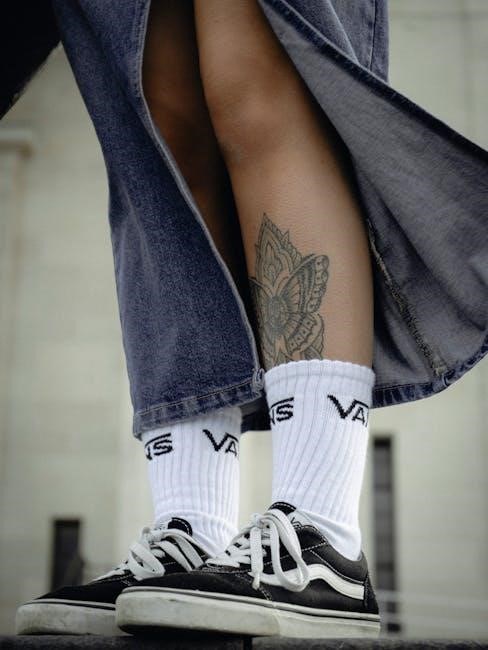
Hanes sock sizing isn’t universally consistent across all styles; different sock types—no-show, ankle, crew, and knee-high—often require referencing specific size charts. No-show socks, designed for invisibility, tend to run smaller and prioritize a secure heel fit. Ankle socks offer more flexibility in sizing, but a proper fit prevents slippage.

Crew socks, a versatile everyday option, generally follow standard shoe size conversions, but thicker materials may necessitate a slightly larger size. Knee-high socks, intended for coverage and warmth, require accurate calf circumference measurements in addition to foot length. Hanes provides dedicated charts for each style on their official website.

It’s essential to consult the chart corresponding to the specific Hanes sock you’re purchasing. Variations in material composition—cotton, polyester, or blends—impact stretch and overall fit. Prioritizing the correct chart ensures optimal comfort and prevents issues like bunching or discomfort, fostering a positive experience, similar to finding the right community fit.

Hanes No Show Sock Sizing

Hanes no show socks, designed to remain hidden within shoes, require particularly precise sizing. Unlike standard socks, a snug, secure fit is paramount to prevent slippage and ensure all-day comfort. Size charts typically correlate shoe size (US Women’s 5-10 and US Men’s 6-12 being common ranges) rather than foot length directly.

However, variations exist within the Hanes no show line – some cater to smaller shoe sizes (5-7), while others accommodate larger feet (8-12). Pay close attention to the specific product description and corresponding size chart. A common issue is heel slippage; selecting a size that aligns with the higher end of your shoe size range can mitigate this.

Consider the shoe type – tighter-fitting shoes demand a more precise fit. Material plays a role; socks with silicone grips on the heel offer enhanced stability. Prioritizing a secure fit is crucial for enjoying the discreet comfort of Hanes no show socks, much like finding a comfortable space within a community.

Hanes Ankle Sock Sizing

Hanes ankle socks, a versatile everyday staple, generally follow standard sock sizing conventions, but nuances exist. Size ranges typically span from shoe size 6-12 for men and 5-10 for women, often presented as “One Size Fits Most.” However, this can be misleading, particularly for those with exceptionally large or small feet.

For a more accurate fit, consult the Hanes size chart, which correlates shoe size to sock size. Individuals with shoe sizes outside the typical range may find the fit less optimal. Consider the sock’s intended use; athletic ankle socks often benefit from a snugger fit than casual wear options.

Stretch and material composition also influence sizing. Hanes utilizes various blends, impacting elasticity. If between sizes, opting for the larger size is generally recommended to avoid constriction. Like building connections, a comfortable fit is key. Prioritize a secure, yet not overly tight, feel for all-day comfort and performance, mirroring a thriving community.

Hanes Crew Sock Sizing

Hanes crew socks, a classic choice for everyday wear and athletic activities, require careful attention to sizing for optimal comfort. Men’s sizes generally range from 8-12, while women’s typically cover sizes 6-10, though “One Size Fits Most” options are common. Relying solely on this can lead to ill-fitting socks.

Referencing the official Hanes size chart, which maps shoe size to corresponding sock size, is crucial. Crew socks, due to their height, benefit from a secure fit to prevent slipping. Individuals with larger calves may prefer a size up for improved comfort and circulation. Material blends significantly impact stretch; cotton-rich blends offer less elasticity than synthetic options.

When in doubt, choosing the larger size is advisable, especially for athletic use where compression and support are desired. A well-fitted crew sock enhances performance and prevents blisters, much like a supportive community fosters growth and connection. Prioritize a snug, yet comfortable, fit for all-day wear.

Hanes Knee High Sock Sizing

Hanes knee-high socks, favored for uniform requirements, athletic pursuits, and fashion statements, demand precise sizing to ensure both comfort and functionality. Unlike crew socks, the extended length necessitates a more tailored fit to prevent bunching or slippage throughout the day. Men’s sizes generally correspond to shoe sizes 8-12, while women’s typically range from 6-10, but variations exist.

Consulting the official Hanes size chart is paramount, as it correlates shoe size with the appropriate sock size. Pay close attention to calf circumference, as knee-high socks must accommodate this measurement without constricting circulation. Individuals with larger calves may need to explore extended size options or consider socks with higher spandex content for enhanced stretch.

Properly fitted knee-high socks provide essential support during physical activity and maintain a polished appearance. A snug, yet comfortable, fit is key, avoiding both overly tight compression and loose, sagging material. Like building a strong network, a good fit is foundational.

Converting Shoe Size to Hanes Sock Size

Hanes sock sizing isn’t solely dependent on shoe size, but it’s a crucial starting point for finding the right fit. Generally, a direct correlation exists, but individual foot shapes and sock styles introduce nuances. Most Hanes charts provide a clear shoe size to sock size conversion, typically ranging from youth sizes to adult large.

For instance, a men’s shoe size 9-11 often corresponds to a sock size 10-13. Women’s sizes 6-8 usually align with sock sizes 9-11. However, these are approximations. Consider sock thickness – thicker socks may require a slightly larger size, while thinner styles might benefit from a size down.

Always prioritize referencing the specific size chart for the Hanes sock type you’re purchasing (no-show, crew, etc.). This ensures accuracy. Remember, a comfortable fit enhances the overall experience, much like a thriving community fosters positive interactions. Don’t hesitate to measure your foot for a precise determination.

Hanes Sock Sizes for Wide Feet

Hanes doesn’t explicitly offer “wide” sock sizes, but accommodating wider feet requires a strategic approach to sizing. Individuals with broader feet should generally opt for one size larger than their typical Hanes sock size. This provides extra room and prevents constriction, ensuring all-day comfort.

Focus on sock materials with inherent stretch, like those containing Spandex or Lycra. These fabrics conform better to foot shape, minimizing tightness. Avoid socks marketed as “compression” or “performance” if prioritizing width, as these often have a snugger fit. Consider styles with a wider ribbing or looser knit.

Prioritize reviewing customer feedback for specific Hanes sock styles; often, users share experiences regarding fit for wider feet. A well-fitting sock is essential, much like a supportive community enhances individual experiences. Measuring foot width alongside length is also highly recommended for optimal selection.

Hanes Sock Sizes for Different Age Groups (Infant, Toddler, Youth)

Hanes provides distinct sizing for infants, toddlers, and youth, recognizing the rapid foot growth during these stages. Infant sizes typically range from newborn to 24 months, often correlating with shoe size rather than age. Toddler sizes generally cover shoe sizes 4 to 10, while youth sizes accommodate shoe sizes 10.5 to 13.5 for boys and 11 to 13 for girls.

Accurate foot measurement is crucial, as age-based sizing can be unreliable. Hanes size charts specify length in inches, aligning with corresponding shoe sizes. Prioritize socks with gentle elastic to avoid constriction, especially for infants and toddlers. Look for features like reinforced toes and heels for durability, given active play.

Regularly check sock fit, as children’s feet grow quickly. Ill-fitting socks can cause discomfort and blisters. Similar to building connections within a community, proper fit supports healthy development. Consider slightly larger sizes to accommodate growth, but avoid excessively loose socks.

Measuring Your Foot for Hanes Socks

Hanes sock sizing relies on accurate foot measurement for optimal comfort. Begin by placing a piece of paper on a hard surface against a wall. Stand with your heel against the wall and trace your foot’s outline. Repeat for the other foot, as sizes can vary. Measure the length from the heel to the tip of your longest toe in inches.

It’s best to measure in the evening, as feet tend to swell throughout the day. Wear the type of socks you’d typically wear with Hanes socks during measurement. Consider measuring both feet and using the larger measurement for sock size selection. This ensures a comfortable fit, preventing constriction or slippage.

Compare your foot length to the Hanes size chart. Remember that sock size doesn’t directly correlate to shoe size; it’s based on foot length. Accurate measurement, like fostering connections, is fundamental for a positive experience. Don’t hesitate to re-measure if unsure, ensuring a perfect fit.

Dealing with In-Between Sizes

Hanes sock sizing can sometimes present challenges when your foot measurement falls between sizes. In these instances, it’s generally recommended to size up rather than down. A slightly larger sock offers more comfort and prevents constriction, crucial for all-day wear. Consider the sock type; thinner styles may benefit from sizing up more readily than thicker ones.

Stretch and material play a role. Hanes socks with higher cotton content may have less stretch than those with synthetic blends. If you’re between sizes and prefer a snug fit, you might consider the smaller size, but monitor for discomfort during wear. Prioritize comfort, as ill-fitting socks can lead to blisters or irritation.

Reading reviews can provide insights from other customers with similar foot sizes. Ultimately, choosing the right size is a personal preference, balancing fit and comfort. Like building connections, finding the perfect fit requires consideration and adjustment.

Hanes Sock Material and Stretch Considerations

Hanes socks are crafted from a variety of materials, each impacting fit and stretch. Cotton-rich blends offer breathability and softness but generally have less inherent stretch compared to synthetic options. Polyester, nylon, and spandex blends provide enhanced elasticity, conforming better to foot shape and accommodating wider feet.

The percentage of spandex or elastane is a key indicator of stretch. Higher percentages mean greater flexibility and a more secure fit, particularly beneficial for athletic or performance socks. Consider the sock’s intended use; everyday socks may prioritize comfort, while active socks need a snug, supportive fit.

Material composition also affects shrinkage after washing. Cotton tends to shrink more than synthetics, so sizing up slightly might be wise if you anticipate significant shrinkage. Understanding these material properties ensures you select Hanes socks that maintain their shape and comfort over time, much like fostering lasting connections.

International Hanes Sock Size Conversions (US to UK/EU)

Hanes sock sizes, while primarily based on US shoe sizes, require conversion for international customers. Generally, a US men’s size 9-12 corresponds to a UK size 8-11 and a European (EU) size 42-46. Women’s US sizes 6-9 typically translate to UK sizes 4-7 and EU sizes 36-40. However, these are approximate guidelines, and variations exist.

It’s crucial to consult specific Hanes size charts, as discrepancies can occur between different sock styles. Always prioritize foot length measurements over relying solely on shoe size conversions. Online conversion tools can provide a starting point, but verifying against the official Hanes charts is recommended for accuracy.

Remember that sizing systems aren’t perfectly standardized. Consider ordering a size up if you’re between sizes or prefer a looser fit. Accurate conversion ensures a comfortable experience, mirroring the importance of clear communication within a community.

Where to Find Official Hanes Size Charts

Hanes provides readily accessible size charts to ensure accurate sock fitting. The most reliable source is the official Hanes website, www.hanes.com, where you can find dedicated sizing guides for each sock category – men’s, women’s, and kids’. These charts typically include US, UK, and EU size conversions, alongside foot length measurements.

Retailers like Amazon, Walmart, and Target, which carry Hanes products, often feature size charts on their product pages. However, always cross-reference these with the official Hanes website to confirm accuracy. Hanes’ customer service team is also an excellent resource; they can provide personalized sizing advice.

Downloading and saving the relevant size chart as a PDF is a smart practice for future reference. Utilizing these official resources guarantees a comfortable fit, much like fostering strong connections within a supportive community.

Troubleshooting Hanes Sock Fit Issues

Hanes socks slipping down? Consider a size adjustment or a sock style with a more secure fit, like crew or knee-high options. If socks feel too tight, especially after washing, try sizing up or opting for a material with more stretch. Blisters can indicate friction – ensure proper shoe fit and consider thicker Hanes socks for cushioning.

For issues with the heel slipping, check the sock’s heel pocket construction; some styles are designed for specific foot shapes. If you’re between sizes, refer to the ‘Dealing with In-Between Sizes’ section for guidance. Remember that material composition impacts stretch; cotton blends offer less than synthetic fibers.

Consistent fit problems might suggest incorrect foot measurement. Re-measure your feet and compare them to the official Hanes size charts. Like building a strong community, finding the right fit requires attention and adjustment.

wow wotlk warrior leveling guide

This comprehensive guide details leveling a Warrior in Wrath of the Lich King Classic, covering viability for all specs, optimal builds, rotations, and gear choices.

It also explores essential abilities, cooldown usage, and profession recommendations for efficient leveling from 1 to 80, maximizing your experience.

Embarking on the Warrior leveling journey in Wrath of the Lich King Classic presents a robust, albeit sometimes challenging, experience. Warriors, renowned for their strength and versatility, offer distinct leveling paths through Arms, Fury, and Protection specializations. Each spec caters to different playstyles and efficiencies, impacting how quickly and smoothly you ascend from level 1 to 80.

Understanding the strengths of each specialization is crucial. Arms excels in sustained single-target damage, ideal for methodical questing. Fury delivers explosive burst damage, making it effective for quickly dispatching enemies. Protection, while slower, provides exceptional survivability, allowing for safer exploration and tackling tougher content. This guide will dissect each spec, providing tailored advice for maximizing your leveling speed and enjoyment.

Prepare for a journey demanding strategic talent choices, efficient rotations, and informed gear upgrades.

Leveling Viability: Arms, Fury, and Protection

When assessing Warrior leveling viability in WotLK Classic, Arms and Fury consistently outperform Protection in terms of speed. Both DPS specs benefit from higher damage output, allowing for quicker quest completion and monster slaying. Arms shines with consistent, reliable damage, particularly effective against single targets commonly encountered during questing. Fury, conversely, excels in AoE situations, swiftly clearing packs of enemies.

Protection, while viable, suffers from significantly slower kill times. Its focus on survivability comes at the cost of damage, extending leveling duration. However, Protection offers unparalleled safety, minimizing downtime from deaths and enabling soloing of more challenging content.

Ultimately, Arms and Fury are highly recommended for efficient leveling, while Protection is best suited for players prioritizing safety and a more cautious approach.

Pre-Patch Leveling (1-60) Spec Recommendations

For the WotLK pre-patch leveling experience (levels 1-60), the consensus leans towards Arms or Fury for optimal speed. The increased experience rates incentivize maximizing kill efficiency, where these DPS specs truly shine. Arms provides a solid, consistent damage profile, making it reliable for solo questing and grinding. Fury, with its burst potential, excels at quickly dispatching groups of enemies, capitalizing on the XP buff.

While Protection is functional, its slower leveling pace is less desirable during the pre-patch. The focus shifts from survivability to rapid progression, making the damage-focused specs more appealing.

Consider your playstyle; Arms for steady damage, Fury for explosive bursts. Both will significantly outperform Protection in terms of leveling speed.

Arms Warrior for Pre-Patch Leveling

Arms Warrior excels in the pre-patch due to its consistent, reliable damage output. This specialization offers a strong single-target focus, ideal for efficiently completing quests and tackling elite mobs. Prioritize talents that enhance your damage over time effects, like Mortal Strike, and those that improve your threat generation for smoother pulls.

Focus on building a rotation around Heroic Strike and Mortal Strike, utilizing Overpower when available. Maintaining Tactical Mastery is crucial for reducing the cooldown of your key abilities.

Arms provides a good balance of survivability and damage, allowing for relatively safe and efficient leveling. It’s a solid choice for players who prefer a methodical, controlled approach.

Fury Warrior for Pre-Patch Leveling

Fury Warrior is a powerhouse for pre-patch leveling, boasting exceptional damage potential. This spec thrives on building and maintaining Rage, unleashing devastating attacks on enemies. Prioritize talents that increase your critical strike chance and damage, maximizing your burst potential and overall efficiency.

Your leveling rotation will revolve around Whirlwind, utilizing Bloodthirst when available and managing your Rage effectively. Focus on maintaining the Berserker Stance for increased damage output, but be mindful of its drawbacks.

Fury offers incredibly fast leveling speeds, but requires careful Rage management and awareness of your surroundings. It’s a fantastic option for players who enjoy a fast-paced, aggressive playstyle.

Protection Warrior for Pre-Patch Leveling

While not the fastest, Protection Warrior offers a remarkably safe and consistent leveling experience in the pre-patch. This spec excels at survivability, allowing you to withstand significant damage and minimize downtime. Focus on talents that enhance your defensive capabilities and threat generation.

Your leveling strategy will center around building and maintaining threat, utilizing abilities like Shield Slam and Revenge. Prioritize talents that improve your block chance and reduce incoming damage. Expect a slower pace compared to Arms or Fury, but with increased resilience.

Protection is ideal for players prioritizing safety and control, offering a relaxed leveling experience with minimal risk of dying. It’s a solid choice for those new to the class or preferring a more cautious approach.

Best Leveling Talent Builds

Selecting the right talent build is crucial for efficient Warrior leveling in Wrath of the Lich King Classic; Each specialization – Arms, Fury, and Protection – benefits from distinct talent allocations tailored for maximizing leveling speed and survivability.

Arms builds prioritize talents enhancing Mortal Strike damage and generating rage, focusing on single-target burst. Fury builds emphasize talents boosting attack speed and Whirlwind damage, excelling in multi-target scenarios. Protection builds concentrate on defensive talents, improving survivability and threat generation.

Hybrid builds are possible, but generally less effective than specializing. Carefully consider your playstyle and desired leveling pace when choosing a build. Detailed breakdowns of optimal talent allocations for each spec follow in the subsequent sections.

Arms Warrior Leveling Talent Build

The Arms Warrior leveling talent build centers around maximizing damage output with Mortal Strike and tactical abilities. Prioritize talents in the Arms tree that enhance these core skills, such as Improved Mortal Strike and Tactical Mastery.

Invest points into the Fury tree for talents like Improved Heroic Strike and Cruelty, boosting overall damage and rage generation. A key talent is Impale, significantly increasing Mortal Strike’s effectiveness. Avoid deep Fury specialization, as it diminishes Arms’ burst potential.

A typical build includes 5/3/41 (Arms/Fury/Protection). This allocation provides a strong balance of single-target damage, rage sustain, and survivability, making Arms a highly effective leveling spec.

Fury Warrior Leveling Talent Build

The Fury Warrior leveling talent build focuses on sustained damage and maximizing rage generation for consistent performance. Prioritize talents in the Fury tree that enhance Whirlwind and Bloodthirst, the core damage abilities.

Invest points into the Arms tree for talents like Improved Rend and Enrage, providing crucial buffs to damage output and burst potential. Crucially, talents like Unbridled Wrath significantly increase damage during enrage windows.

A common build is 3/41/16 (Arms/Fury/Protection). This distribution emphasizes Fury’s damage capabilities while incorporating key Arms talents for improved sustain and burst. Prioritize talents that reduce ability cooldowns and increase critical strike chance for optimal leveling speed.

Protection Warrior Leveling Talent Build

The Protection Warrior leveling talent build prioritizes survivability and consistent threat generation, enabling efficient questing and dungeon runs. Focus on talents within the Protection tree that bolster armor, block chance, and damage reduction.

Invest points into the Arms tree for talents like Tactical Mastery and Improved Shield Block, enhancing defensive capabilities and rage generation. A key talent is Anticipation, reducing incoming damage from melee attacks.

A typical build is 16/35/9 (Arms/Protection/Fury). This distribution maximizes defensive talents while incorporating essential Arms talents for sustain. Prioritize talents that improve Shield Slam and Revenge, your primary threat-generating abilities, for faster leveling.

Leveling Rotation

The optimal leveling rotation for Warriors varies significantly based on specialization. Maintaining rage is crucial for all specs, prioritizing consistent ability usage over complex sequences.

Focus on utilizing abilities with short cooldowns frequently. For Arms, Heroic Strike and Tactical Auto Attack are key. Fury Warriors should prioritize Whirlwind and Bloodthirst, maintaining the Berserker stance. Protection Warriors rely on Shield Slam and Revenge for threat and damage.

Interrupt enemy casts whenever possible. Utilize defensive cooldowns proactively, not reactively, to mitigate incoming damage. Remember to weave in auto-attacks between abilities to maximize damage output and rage generation during your leveling journey.

Arms Warrior Leveling Rotation

The Arms Warrior leveling rotation centers around maintaining Mortal Strike uptime and utilizing Tactical Auto Attack. Prioritize Heroic Strike to build rage and consume it effectively.

A core rotation involves opening with Mortal Strike, followed by Heroic Strike until rage is low, then weaving in auto-attacks. Tactical Auto Attack should be used on cooldown to significantly boost damage. Overpower is a powerful instant-cast ability to utilize when available, especially after a stun or interrupt.

Focus on consistent damage output rather than complex sequences. Manage rage efficiently to ensure you can consistently cast Mortal Strike, maximizing your leveling speed and effectiveness.

Fury Warrior Leveling Rotation

The Fury Warrior leveling rotation prioritizes maintaining Berserker Stance and maximizing sustained damage output. Whirlwind is your primary damage dealer, and should be used consistently when available.

Focus on building and spending rage effectively. Utilize Heroic Strike to generate rage when needed, and Bloodthirst when it’s off cooldown for burst damage. Cleave is excellent for pulling multiple enemies, significantly speeding up your leveling process.

Remember to reapply Berserker Rage frequently to maintain high damage output. Prioritize keeping Whirlwind on cooldown, and weave in other abilities as rage allows, focusing on consistent, aggressive play.

Protection Warrior Leveling Rotation

The Protection Warrior leveling rotation centers around threat generation and survivability, prioritizing consistent damage mitigation while maintaining control of enemies.

Shield Slam is your primary threat ability, and should be used on cooldown. Follow up with Thunder Clap to generate additional threat on multiple targets. Revenge provides a reliable source of damage and rage generation, crucial for sustaining your abilities.

Utilize Defensive Stance for increased survivability during challenging encounters. Don’t forget to use Heroic Strike to build rage and maintain threat. Prioritize keeping enemies engaged and mitigating incoming damage, ensuring a safe and efficient leveling experience.

Key Abilities to Train

Prioritizing ability training is vital for a smooth Warrior leveling experience. Focus on skills enhancing threat generation, damage output, and survivability, adapting to your chosen specialization.

For all specs, Improved Heroic Strike reduces the rage cost, increasing uptime. Defensive Stance is crucial for mitigation. Shield Block significantly reduces physical damage taken. Tactical Mastery allows for weapon swapping without losing rage.

Arms Warriors should train Mortal Strike for burst damage. Fury Warriors benefit from Whirlwind for AoE. Protection Warriors need Concussion Blow for interrupting spells and controlling enemies. Regularly check your trainer for new abilities as you level!

Essential Arms Warrior Abilities

Arms Warriors excel at consistent, tactical damage. Prioritize abilities that enhance Mortal Strike’s effectiveness and maintain high rage generation for sustained combat prowess.

Mortal Strike is your core damage dealer, applying a bleed and reducing healing received. Overpower provides a strong opening attack, especially after dodging. Colossus Smash delivers significant damage and reduces enemy armor. Sweeping Strike is vital for AoE situations, hitting multiple targets.

Improved Rend boosts Rend’s damage, synergizing with Mortal Strike. Tactical Mastery allows for swift weapon swaps, maximizing damage output. Don’t neglect defensive abilities like Shield Slam for threat and mitigation.

Essential Fury Warrior Abilities

Fury Warriors thrive on relentless, high-damage output. Focus on abilities that amplify attack speed, critical strike chance, and sustained rage generation for maximum devastation.

Whirlwind is your primary AoE ability, shredding through multiple enemies. Bloodthirst delivers a powerful burst of damage, especially when combined with critical strikes. Berserker Rage significantly increases damage and attack speed, offering a potent offensive cooldown. Rage management is crucial; abilities like Enrage capitalize on critical hits.

Improved Heroic Strike reduces the rage cost of Heroic Strike, enhancing sustained damage. Unbridled Wrath provides a chance to gain rage on hit, fueling your attacks.

Essential Protection Warrior Abilities

Protection Warriors excel at mitigating damage and controlling enemies. Mastering key abilities is vital for survivability and efficient questing while leveling.

Shield Block is your cornerstone defensive ability, reducing incoming physical damage. Shield Slam deals damage and generates threat, crucial for holding enemy attention. Revenge provides a reactive damage boost when taking damage, enhancing threat generation. Defensive Stance increases armor and reduces damage taken.

Improved Shield Block increases the duration of Shield Block, maximizing damage reduction. Last Stand offers a significant temporary health boost in emergencies. Intercept allows you to quickly close the distance to enemies, establishing control.

Cooldown Usage During Leveling

Effective cooldown management is crucial for surviving challenging encounters and maximizing efficiency while leveling your Warrior in Wrath of the Lich King Classic.

Arms Warriors should utilize Overpower after a successful stun or hamstring to burst down priority targets. Battle Shout provides a significant damage and threat increase for group pulls. Fury Warriors benefit from using Berserker Rage during high-damage phases or boss encounters.

Protection Warriors rely heavily on Shield Wall to mitigate massive damage spikes, especially during difficult quests or elite mob pulls. Last Stand offers emergency health, while Spell Reflection can counter magical attacks. Strategic cooldown usage ensures consistent survivability.

Arms Warrior Cooldowns for Leveling

Arms Warriors leveling in Wrath of the Lich King Classic benefit from strategic cooldown usage to enhance damage output and survivability during challenging content.

Overpower is a key cooldown, best utilized immediately following a stun or hamstring, delivering a significant burst of damage. Battle Shout provides a substantial increase to both damage and threat generation, ideal for pulling multiple enemies or tackling elites. Intervene is vital for protecting teammates or yourself from incoming damage.

Demoralizing Shout reduces enemy damage, aiding in survivability. Remember to manage rage effectively to maximize cooldown uptime and maintain consistent damage.

Fury Warrior Cooldowns for Leveling

Fury Warriors excel at sustained damage in Wrath of the Lich King Classic, and utilizing cooldowns effectively is crucial for efficient leveling. Berserker Rage is the cornerstone, dramatically increasing damage output for a limited duration – save it for priority targets or challenging encounters.

Enrage, generated by critical hits, extends the benefits of Berserker Rage and other damage-enhancing effects. Charge provides mobility and an initial burst of damage, useful for initiating combat. Intervene remains essential for mitigating damage to yourself or allies.

Remember to time cooldowns with procs and buffs for maximum impact, maintaining a relentless offensive pressure throughout your leveling journey.

Protection Warrior Cooldowns for Leveling

Protection Warriors prioritize survivability while leveling in Wrath of the Lich King Classic, making cooldown management vital. Shield Wall is paramount, drastically reducing incoming damage – use it proactively before anticipated heavy hits or during prolonged engagements.

Last Stand provides significant damage reduction and self-healing, a lifeline in dire situations. Intervene remains crucial for protecting allies, and Shield Bash can interrupt enemy spellcasting. Defensive Stance offers increased armor and resistance, enhancing overall durability.

Strategic cooldown usage minimizes damage taken and maximizes survivability, allowing you to confidently tackle challenging quests and dungeons;

Best Leveling Gear

Optimizing gear is crucial for efficient Warrior leveling in WotLK Classic. Prioritize Strength and Stamina on all equipment, enhancing both damage output and survivability. Weapon upgrades are paramount; seek out fast, two-handed weapons for Fury or Arms, and a one-handed weapon with a shield for Protection.

Armor choices should focus on maximizing armor value and providing defensive stats. Greens with good stat combinations are often superior to blues with poor rolls. Don’t underestimate the value of crafted gear from professions like Blacksmithing and Leatherworking.

Regularly update your gear as you level to maintain a competitive edge and accelerate your progress through Northrend.

Weapon Choices for Warrior Leveling

Weapon selection significantly impacts leveling speed for all Warrior specs. Fury Warriors thrive with fast, two-handed weapons maximizing attack speed and rage generation. Arms Warriors benefit from slower, high-damage two-handers, complementing their tactical playstyle. Prioritize weapon damage above all else, as it directly translates to faster kill times.

For Protection Warriors, a one-handed weapon paired with a shield is essential for threat generation and mitigation. Look for weapons with procs or on-hit effects to enhance defensive capabilities. Regularly upgrading your weapon is vital; even small increases in damage can drastically reduce leveling time.

Don’t neglect weapon skill!

Armor Considerations for Warrior Leveling

Armor choice for Warriors during leveling depends heavily on your chosen specialization. While all specs benefit from increased armor, the specific stats prioritized differ. Fury and Arms Warriors should focus on Strength, Stamina, and Critical Strike Chance, maximizing damage output and survivability. Prioritize gear with these stats, even if it means sacrificing some armor value.

Protection Warriors, however, require a different approach. Stamina, Defense, and Block Value are paramount for mitigating damage and maintaining threat. Seek out gear that boosts these stats, ensuring you can withstand incoming attacks. Remember, a dead Warrior deals no damage!

Don’t underestimate the value of gemming and enchanting.

Leveling Professions

Choosing the right professions can significantly enhance your Warrior’s leveling experience. Gathering professions like Herbalism, Mining, and Skinning provide a consistent income stream by selling materials on the Auction House. These also offer self-sufficiency, allowing you to create potions and gear without relying on external sources.

Crafting professions, such as Blacksmithing and Leatherworking, enable you to create powerful weapons and armor. Blacksmithing is particularly valuable for Warriors, providing access to upgrades throughout the leveling process. Leatherworking offers useful armor options and can be profitable through crafted items.

Consider First Aid as a crucial supplementary profession for all Warriors, providing essential healing during combat.

Gathering Professions (Herbalism, Mining, Skinning)

For a Warrior leveling in Wrath of the Lich King Classic, gathering professions offer consistent gold income and self-sufficiency. Herbalism allows collecting valuable herbs used in potion making, providing a steady revenue stream from the Auction House. Mining yields ores essential for Blacksmithing, benefiting Warriors who craft their own gear. Skinning, harvesting hides from beasts, supplies Leatherworking, another useful crafting option.

These professions break up the monotony of questing and dungeon runs, offering alternative activities while traveling. They also provide materials for consumables, reducing reliance on expensive purchases. Combining multiple gathering skills maximizes efficiency, allowing you to capitalize on resources encountered during exploration.

Crafting Professions (Blacksmithing, Leatherworking)

Blacksmithing and Leatherworking are valuable crafting professions for a leveling Warrior in WotLK Classic. Blacksmithing allows crafting powerful weapons and armor, providing upgrades throughout the leveling process. Early investment can yield significant benefits, reducing reliance on dungeon drops or Auction House purchases. Leatherworking focuses on crafting leather armor, offering alternatives and potentially filling gear gaps.

These professions require gathering materials – ores for Blacksmithing and hides for Leatherworking – synergizing well with gathering skills. Crafting provides a consistent gold source through selling crafted items. Learning recipes is crucial, often obtained from trainers or discovered while crafting. Consider the cost of materials versus the potential profit when deciding what to craft.

Consumables for Efficient Leveling

Consumables are vital for maximizing leveling speed and survivability as a Warrior in WotLK Classic. Food and drink are essential for maintaining health and mana (if applicable), enabling prolonged questing and combat. Prioritize options that restore significant health and/or mana over time. Potions and elixirs provide temporary boosts to damage, critical strike chance, or stamina, aiding in challenging encounters.

Damage potions are useful for quickly dispatching enemies, while health potions offer emergency healing. Consider resistance potions for areas with elemental or magical threats. Flasks provide longer-lasting, but more expensive, benefits. Bandages are a cost-effective way to heal between fights. Stocking up on consumables before tackling difficult zones is highly recommended.

Food and Drink for Health and Mana Regeneration

Warriors benefit greatly from consistent health regeneration during leveling. Prioritize food offering substantial health restoration per use and a noticeable regeneration effect. Roasted boar, spiced boar ribs, and grilled basilisk are excellent choices, readily available from vendors or through cooking. Drinks are crucial for mana recovery, though Warriors have limited mana needs. Mild ale or sparkling cider provide a steady mana regeneration stream.

Consider the cost-effectiveness of consumables; cheaper options may be preferable for frequent use. Stacking food and drink ensures uninterrupted leveling. Experiment with different combinations to find what best suits your playstyle and budget. Always keep a supply on hand before venturing into new zones or tackling challenging quests, maximizing uptime and minimizing downtime.

Potions and Elixirs for Damage and Survivability

Potions and elixirs offer significant boosts during crucial leveling moments. For Warriors, healing potions are paramount, providing emergency health recovery during intense combat. Greater Healing Potions are ideal, though standard healing potions suffice early on. Damage-enhancing elixirs, like Elixir of Strength or Elixir of Firepower, amplify your offensive capabilities, speeding up kill times.

Consider using potions strategically – before boss encounters or challenging elite quests. Limited availability necessitates careful usage. Flasks offer longer-duration buffs but are generally more expensive. Potion of Speed can aid in faster travel across zones. Always check the Auction House for competitive pricing and stock up when opportunities arise, optimizing your leveling efficiency.